
Why Honesty is the Only Path to the Finish Line
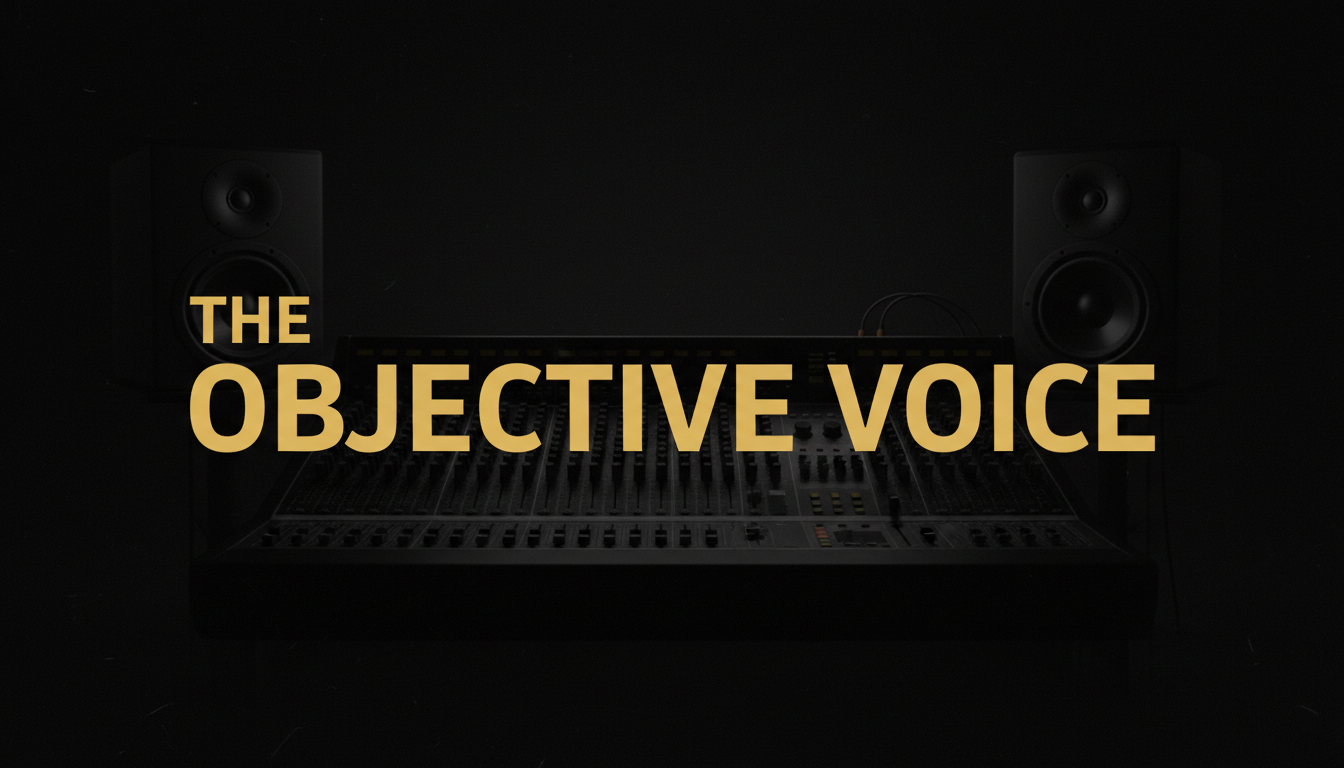
In the studio, it is easy to lose your perspective. After looping a four-bar phrase for six hours, your brain begins to compensate for the flaws. You stop hearing the clashing frequencies in the low-mids; you stop noticing that the lead synth is masking the vocal. You become emotionally attached to the "vibe," and that attachment is the enemy of a professional master.
It is vital to have an objective voice when it comes to sound quality.
Before you even think about sending demos to a label, you need to speak with a professional mix engineer. They provide the one thing your friends, your fans, and your ego cannot: the objective truth.
It is vital to have an objective voice when it comes to sound quality.
Before you even think about sending demos to a label, you need to speak with a professional mix engineer. They provide the one thing your friends, your fans, and your ego cannot: the objective truth.
The Friend Trap
Your friends want you to succeed.
When you play them a track, they listen to the melody, the energy, and the fact that you made it. They give you encouragement, which is great for morale but useless for technical progress.
A professional mix engineer doesn't care about your feelings. They care about the phase relationship of your kick and bass. They care about the headroom on your master bus. They care about whether your track will actually translate to a club system.
That honesty is what gets you to the finish line.
When you play them a track, they listen to the melody, the energy, and the fact that you made it. They give you encouragement, which is great for morale but useless for technical progress.
A professional mix engineer doesn't care about your feelings. They care about the phase relationship of your kick and bass. They care about the headroom on your master bus. They care about whether your track will actually translate to a club system.
That honesty is what gets you to the finish line.
Removing the Guesswork
This week is about removing guesswork.
If you are "pretty sure" your mix is balanced, you are guessing. If you "think" the vocals are sitting right, you are guessing. A professional ear removes the "maybe" from your production process.
Getting objective feedback allows you to:
Identify blind spots: Every producer has them. An engineer will spot the frequency build-up you’ve become deaf to.
Validate your technical choices: Knowing your low-end is clinical gives you the confidence to stand behind your work.
Shorten the learning curve: One hour of feedback from a pro is worth fifty hours of YouTube tutorials.
The Standard is the Goal...
Professionalism isn't a feeling; it’s a standard.
If you want to play on the same stages as the artists you admire, your music must meet the same technical requirements.
Seeking out an objective voice is a sign of maturity. it shows that you value the music more than your ego.
Don't send a demo that is "almost there."
Get the feedback that is about the music, not your feelings.
Fix the issues.
Then, and only then, hit send.
If you are "pretty sure" your mix is balanced, you are guessing. If you "think" the vocals are sitting right, you are guessing. A professional ear removes the "maybe" from your production process.
Getting objective feedback allows you to:
Identify blind spots: Every producer has them. An engineer will spot the frequency build-up you’ve become deaf to.
Validate your technical choices: Knowing your low-end is clinical gives you the confidence to stand behind your work.
Shorten the learning curve: One hour of feedback from a pro is worth fifty hours of YouTube tutorials.
The Standard is the Goal...
Professionalism isn't a feeling; it’s a standard.
If you want to play on the same stages as the artists you admire, your music must meet the same technical requirements.
Seeking out an objective voice is a sign of maturity. it shows that you value the music more than your ego.
Don't send a demo that is "almost there."
Get the feedback that is about the music, not your feelings.
Fix the issues.
Then, and only then, hit send.
Elevator Program
Resources
Connect
© 2025 Elevator Program Limited
© 2025 Elevator Program Limited
Created with